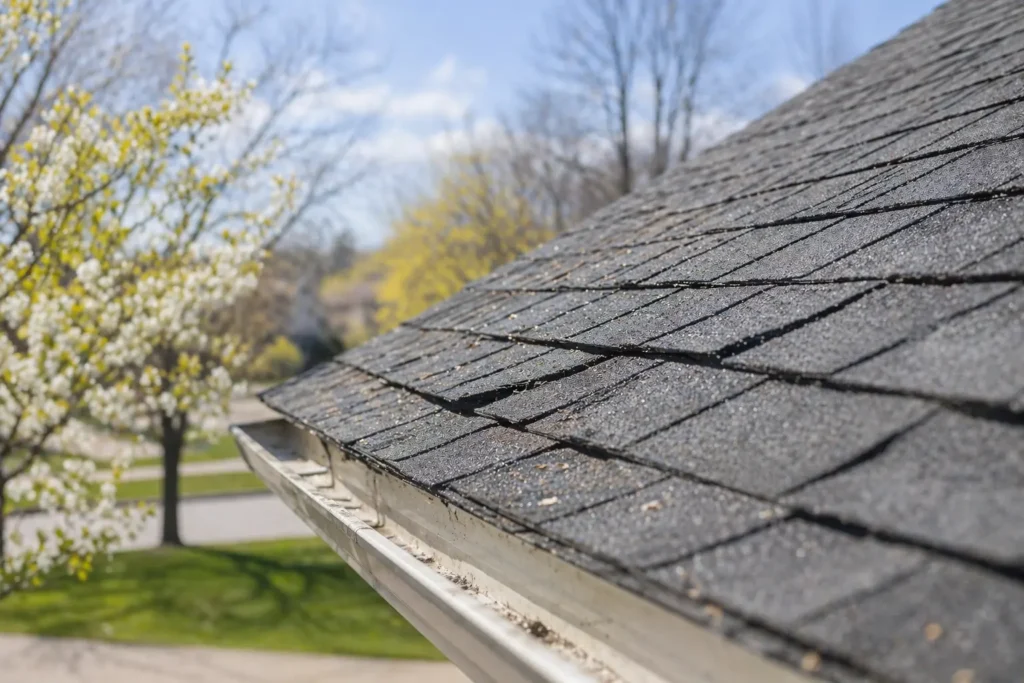
You made it through another Bucks County winter. The ice dams finally melted, the Nor’easters passed, and your roof looks fine from the driveway. So why are you noticing water stains on your ceiling in April? Or missing shingles scattered across your Levittown lawn? Or a mysterious drip in the attic that wasn’t there in February?
Here’s the frustrating truth most homeowners don’t realize: your roof didn’t “survive” winter. It absorbed months of damage that stayed hidden under snow, ice, and freezing temperatures. Spring is when all that hidden damage finally reveals itself — often at the worst possible moment.
In my 30 years working with homeowners across Bucks County, I’ve seen this pattern play out every single spring. Homeowners who thought they dodged a bullet suddenly face repairs that could have been caught months earlier. This article will show you exactly why spring damage appears now, what’s really causing it, and how to address it before small problems become expensive emergencies.
What You’ll Learn
- What Is Spring Roof Damage and Why Does It Happen Now?
- The Real Causes Behind Spring Roof Problems
- How to Identify Spring Roof Damage on Your Home
- Solution Options for Bucks County Homeowners
- Why Bucks County Homeowners Choose Rylee Ann Roofing
- Frequently Asked Questions
- Next Steps
What Is Spring Roof Damage?
Spring roof damage is the visible emergence of problems that began during winter but went undetected until warmer weather exposed them. It’s not that your roof suddenly broke in April — the damage has been building since December.
Common warning signs Bucks County homeowners notice in spring include:
- Water stains appearing on ceilings or walls
- Shingles found in yards, gutters, or along driveways
- Granules collecting at the bottom of downspouts
- Visible sagging in sections of the roof
- Daylight visible through attic boards
- Musty smells in upper levels of the home
- Damaged or detached flashing around chimneys and vents
This problem affects every type of home in our region, from older Levittown ranches to newer Newtown and Yardley builds. It doesn’t matter how old your roof is — freeze-thaw cycles and winter storms affect every roofing system. Ignoring these signs leads to interior water damage, mold growth, compromised insulation, and structural issues that cost thousands more than a simple repair would have.
The Real Causes Behind Spring Roof Problems
This is where most Bucks County homeowners get surprised. The damage didn’t happen in one storm — it built up slowly through four specific winter forces that your roof silently endured.
Freeze-Thaw Cycle Damage
Bucks County winters hit us with repeated freeze-thaw cycles. Temperatures drop below freezing overnight, then climb above freezing during the day. This cycle happens dozens of times each winter.
Here’s what most people don’t realize: water expands by about 9% when it freezes. Any moisture that seeps into small cracks in your shingles, flashing, or underlayment expands and contracts repeatedly all winter. What started as a hairline crack in November becomes a split shingle or compromised seal by April. You don’t see this happening — it’s happening under the surface until warmer weather exposes the damage.
Ice Dam Aftermath
Ice dams form when heat from your attic melts snow on your upper roof, and that water refreezes at the colder eaves. We see this constantly in older Bucks County homes with insufficient attic insulation.
The problem is that ice dams force water to back up under your shingles. This water sits against your underlayment and decking for weeks. Even after the ice melts in spring, the damage to the wood decking, underlayment, and shingle adhesive remains. Signs that ice dams caused damage include stained soffits, peeling paint on eaves, and water stains along exterior walls near the roofline.
Wind and Storm Accumulation
Winter storms in Bucks County, especially Nor’easters rolling through Falls Township, Bristol, and Langhorne, bring wind gusts that gradually loosen shingles. A single storm might lift the corner of one shingle. The next storm loosens another. By March, dozens of shingles may be compromised without any single obvious point of failure.
In our inspections, we frequently find shingles that look fine from the ground but have lost their adhesive seal. Once that seal breaks, it’s only a matter of time before wind lifts the shingle completely or water drives underneath it.
Flashing Failure
Flashing is the metal that seals the joints around your chimney, skylights, vents, and valleys. It’s one of the most common failure points we find every spring. Winter’s constant expansion and contraction pulls flashing away from the roof surface, cracks old caulking, and separates seams. DIY fixes often fail here because homeowners only address the visible gap — not the underlying flashing that needs proper replacement.
How to Identify Spring Roof Damage on Your Home
You can do a safe ground-level inspection right now. Here’s what to check:
- Walk your property perimeter — Look for shingles, granules, or pieces of flashing on the ground around your home.
- Check your gutters — Dark gritty sediment means shingle granules are washing off, signaling advanced wear.
- Inspect your ceilings — Look for new stains, discoloration, or bubbling paint, especially in upper rooms and hallway corners.
- Visit your attic with a flashlight — Look for water stains on rafters, wet insulation, or any daylight coming through the boards.
- Look up at the roof from multiple angles — Note any sagging, dark streaks, or areas where shingles appear lifted, curled, or missing.
- Check around chimneys and vents — These are flashing failure hotspots; any visible gaps or rust is a red flag.
If you notice any of these signs, don’t climb on the roof yourself. Spring roofs can still be slippery, and an untrained eye often misses the real problems. Call a professional for a proper inspection.
Solution Options for Bucks County Homeowners
DIY Solutions (When Appropriate)
There are a few things homeowners can safely do:
- Clean out your gutters and downspouts
- Remove debris from the roof using an extendable pole from the ground
- Document any visible damage with photos for insurance purposes
- Trim back overhanging tree branches
What you should NOT do: climb on the roof, attempt to replace shingles yourself, or apply roofing cement to mystery leaks. DIY shingle repairs almost always fail because homeowners don’t address the underlying cause — they just patch the symptom.
Professional Solutions
A proper spring roof inspection from Rylee Ann Roofing includes:
- Full exterior roof assessment by factory-trained crews
- Attic inspection for hidden water damage and ventilation issues
- Flashing evaluation around all penetrations
- Gutter and drainage system check
- Detailed written report with photos
- Clear repair recommendations with pricing
The process takes about an hour, and you’ll know exactly what your roof needs — whether that’s a simple repair, targeted restoration, or full replacement.
Why Professional Service Makes Sense
Spring damage that goes untreated becomes summer damage, which becomes fall leaks, which becomes winter emergencies. A $400 repair in April routinely becomes a $4,000 repair by October. Beyond cost, professional roofers identify issues you simply cannot see from the ground — compromised underlayment, failing seals, hidden mold in the decking. Rylee Ann Roofing backs every residential asphalt shingle installation with a 10-year leak-free workmanship warranty, which is more than double the industry standard.
Why Bucks County Homeowners Choose Rylee Ann Roofing
Rylee Ann Roofing has served Bucks County since 2016, bringing 30 years of industry experience to every home we work on. We understand what Pennsylvania winters do to roofs because we’ve inspected and repaired thousands of them — from older Levittown homes to newer builds in Newtown, Yardley, and Langhorne.
We’re an Owens Corning Certified Installer with factory-trained crews, licensed in Pennsylvania (HIC #139247) and New Jersey (13VH10032900). Steve Nickerson is onsite for every job — you’re not getting passed off to a rotating crew of subcontractors. We hold a 5-star Google rating from over 50 local reviews and were named a Nextdoor Neighborhood Favorite in 2022.
We’re proud to have completed community projects for the Levittown-Fairless Rescue Squad, Tullytown Fire Company, Bristol Borough Hall, and Edgeley Fire Company. That’s the same quality of work we bring to every residential roof in Bucks County. Our 24-hour issue resolution policy means if something goes wrong, we address it immediately — not next week.
Frequently Asked Questions
How much does a spring roof inspection cost in Bucks County PA? Rylee Ann Roofing offers free roof inspections and a complimentary Roofing Report Card for Bucks County homeowners. There is no cost and no obligation to move forward with any repair or replacement.
How long does a roof replacement take after spring damage is found? Most residential roof replacements take 1 to 3 days depending on size and complexity. We schedule around weather conditions and your availability, with typical project start within 1 to 2 weeks of approval.
Can I fix spring roof damage myself? You can safely clean gutters and document damage, but actual roof repairs should be handled by licensed professionals. DIY repairs typically fail because they address symptoms rather than underlying causes, often making problems worse.
What causes water stains on my ceiling in spring? Spring ceiling stains usually come from winter ice dam damage, compromised flashing, or damaged shingles that allowed water in during freeze-thaw cycles. The water often traveled from the original leak point before becoming visible inside.
When should I call a professional roofer in Bucks County? Call immediately if you see water stains, missing shingles, granules in gutters, or daylight in your attic. Earlier intervention always costs less than waiting until the damage spreads.
How do I know if I need a new roof or just repairs? It depends on roof age, damage extent, and overall condition. Our free Roofing Report Card gives you a clear, honest answer based on a full inspection — no pressure, no sales tactics.
What should I look for in a roofing contractor in Bucks County PA? Look for PA and NJ licensing, manufacturer certifications like Owens Corning, a strong local reputation with verified reviews, a written workmanship warranty of at least 10 years, and an owner who is onsite during your project.
Is a roof leak dangerous or urgent? Yes. Even small leaks cause mold, rotted decking, compromised insulation, and electrical hazards within weeks. Any active leak should be inspected within 24 to 48 hours.
Next Steps
Spring is the best time to catch winter damage before it escalates. Here’s what to do right now:
- Complete the ground-level inspection checklist above
- Document any warning signs with photos
- Schedule a free professional inspection if you spotted anything concerning
- Act early — repair costs rise significantly once damage spreads
Rylee Ann Roofing offers free estimates and free Roofing Report Cards with no pressure and no obligation. Call 833-691-7663 or request an estimate online at ryleeannroofing.com. We respond within 24 hours and serve Bucks County PA, Lehigh County PA, Mercer County NJ, and Burlington County NJ. Our hours are Monday through Friday 7am to 5pm, and Saturday 7am to 12pm.
About the Author
Steve Nickerson is the Estimator and Principal at Rylee Ann Roofing, with 30 years of experience in residential and commercial roofing. Licensed in Pennsylvania (HIC #139247) and New Jersey (13VH10032900), Steve is an Owens Corning Certified Installer who personally oversees every Rylee Ann Roofing project. His specialties include storm damage assessment, roofing system diagnostics, and identifying hidden winter damage before it becomes a major expense. Steve and the Rylee Ann Roofing team proudly serve Bucks County and the surrounding region from their Fairless Hills headquarters.